March 18, 2026
Asphalt roofing systems are known for their durability and affordability, making them a popular choice for many homeowners. However, like all building materials, they have a finite lifespan and will eventually require replacement. Recognizing the early signs that your asphalt roof is failing can prevent further damage and save you from more costly repairs down the line. According to RubyHome, asphalt shingles are the most common roofing material, used in roughly 80% of roofing projects. This widespread use highlights how important it is for homeowners to understand when maintenance or asphalt shingle repair may no longer be sufficient and a replacement becomes necessary. By understanding these warning signs, homeowners can take proactive steps to protect their property and avoid costly structural damage. While many issues can initially be addressed through asphalt shingle repair, persistent or widespread problems may signal that the roofing system has reached the end of its useful life.
1. Roof Age and Material Lifespan
The longevity of asphalt shingles depends on a variety of factors, including climate and maintenance practices. Generally, the lifespan of asphalt shingles ranges from 15 to 30 years. However, exposure to extreme weather conditions can significantly reduce their lifespan. As shingles age, their protective granules start to wear off, exposing the underlying materials. Homeowners should be cognizant of their roof's age and plan for replacement when approaching the upper limit of their shingles' lifespan.
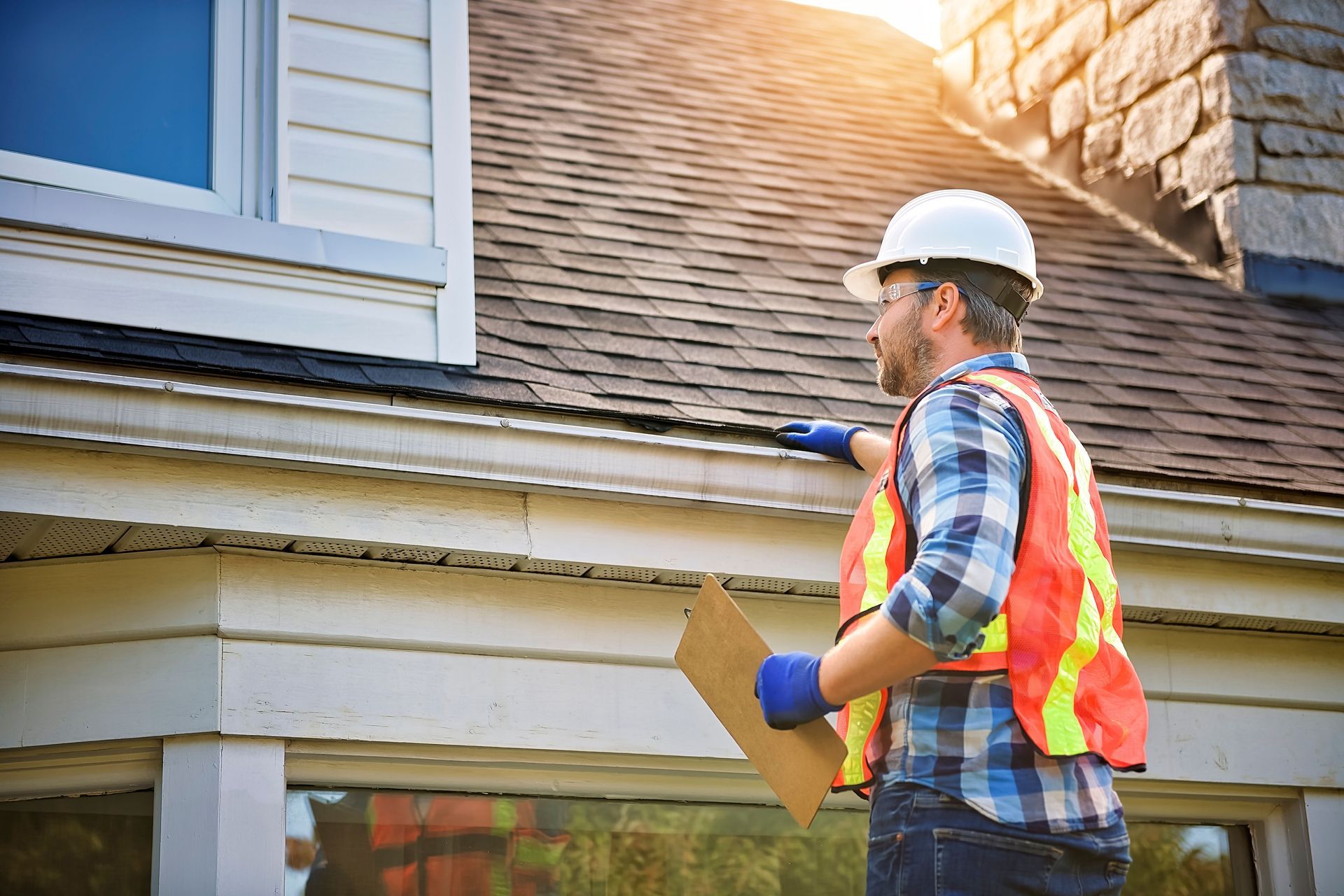
Older roofs demand more frequent assessments to ensure their integrity. Visual checks can reveal signs of deterioration such as cracks and granule loss. Moreover, you should compare the current state of your roof with any existing manufacturer warranties. These warranties usually indicate how long shingles should last under normal conditions. Documentation and regular assessment can prevent unexpected issues and aid in decision-making regarding roofing replacements.
In addition to monitoring age, proper maintenance can extend the life of your roof. Regular cleaning, debris removal, and inspections for damages are crucial. Maintenance not only helps in preserving the visual appeal but also ensures functionality. It's imperative to perform consistent checks, particularly after severe weather events. Routine upkeep often reveals issues that may initially be corrected through asphalt shingle repair before they escalate into larger structural concerns.
2. Shingle Curling and Buckling Patterns
Curling shingles are often indicative of moisture problems or weathering. Moisture from beneath the shingles or inadequate attic ventilation can cause curling. A thorough inspection can help identify such issues and prevent further damage. The sight of curling shingles should signal an immediate need for professional evaluation. Not only does curling affect the aesthetic appeal, but it also compromises the protective qualities of the shingles.
Buckling shingles are another warning sign of roofing issues, often resulting from poor installation or movement in the roof deck. These deformations can lead to further water penetration, diminishing the roofing system's effectiveness. Detecting buckling early can spare homeowners from more extensive structural damage. In some cases, localized asphalt shingle repair may resolve the problem, but widespread buckling may indicate deeper issues with the roof deck or ventilation system.
Curling and buckling not only affect the appearance of a roof but also create long-term risks for the entire structure. Compromised shingles cannot properly shield the home from wind-driven rain or temperature changes. Over time, these weaknesses allow moisture to seep beneath the roofing layers. If left unresolved, the problem can extend beyond simple roof repair and require more comprehensive roofing work.
3. Missing and Broken Shingle Sections
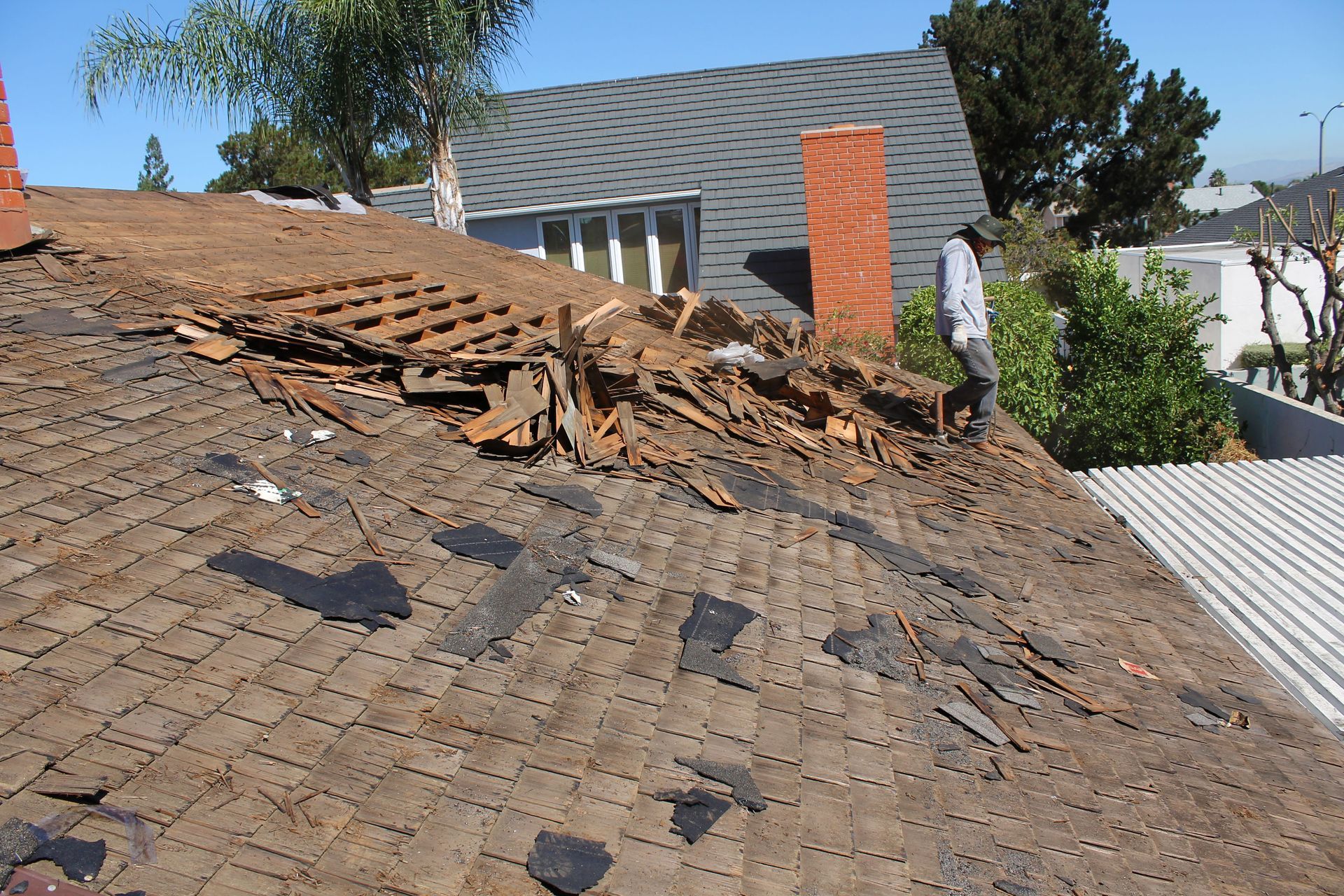
Identifying missing or damaged shingles is crucial in maintaining the integrity of the roof. A visual inspection can quickly reveal gaps where shingles should be, or areas where they are broken. This kind of damage is often exacerbated by storms or high winds. Promptly replacing missing shingles can prevent moisture penetration and further damage. Regular checks, especially following inclement weather, can help in early detection.
Weather conditions play a significant role in shingle damage. High winds, hail, and falling debris can loosen or crack shingles, leaving the roof exposed. Homeowners living in areas prone to severe storms should prioritize routine roof inspections. When damage is limited to small areas, asphalt shingle repair may restore the roof’s protective barrier and prevent more extensive problems.
Neglecting damaged shingles can lead to larger structural complications. When sections of the roof are exposed, the underlying decking becomes vulnerable to water intrusion. Over time, this exposure can result in rot, mold growth, and weakened structural components. Addressing small problems quickly through asphalt shingle repair can significantly reduce the likelihood of costly roof replacements.
4. Granule Loss and Surface Deterioration
Granule loss on asphalt shingles can signal the end of their effective life. These granules provide UV protection and add a fire-resistant layer to the shingles. Detecting granule accumulation in gutters or downspouts is a reliable indicator of wear. While some loss is normal throughout the life of the shingles, significant and rapid granule shedding is a sign that the roofing material is deteriorating.
Granule erosion diminishes the shingles' ability to protect the roof from environmental stress. As granules wear off, the asphalt surface becomes exposed to sunlight and temperature fluctuations. This exposure can cause shingles to dry out, crack, and weaken over time. In certain situations, targeted asphalt shingle repair can temporarily address affected sections, but extensive granule loss often points to the need for roof replacement.
There are also misconceptions about granule loss that lead homeowners to underestimate its importance. While a small amount of granule shedding is expected, heavy buildup in gutters suggests accelerated wear. Monitoring these signs can help homeowners determine whether the roof still has functional life remaining or if repairs are only a short-term solution.
5. Roof Leaks and Interior Water Damage
Roof leaks are often the first visible indicators of roofing failure. They can appear as damp spots on ceilings, peeling paint, water stains on walls, or mold growth in attic spaces. Identifying these symptoms early can prevent extensive interior damage. Even a small leak may signal compromised shingles, flashing issues, or deteriorating underlayment.
Tracing the origin of a roof leak can sometimes be challenging. Water may travel along beams or insulation before becoming visible inside the home. For this reason, professional roof inspections are essential when leaks appear. In some situations, asphalt shingle services may resolve the issue by replacing damaged shingles or resealing vulnerable areas.
However, repeated leaks in multiple areas often suggest deeper structural concerns. Water infiltration can weaken roof decking, damage insulation, and create conditions for mold growth. Addressing leaks promptly is critical to preserving both the structural integrity of the home and the health of its occupants.
Recognizing when it is time to replace your asphalt roofing system is crucial for maintaining the safety and efficiency of your home. Warning signs such as aging materials, curling shingles, missing sections, granule loss, leaks, and sagging should never be ignored. Each of these indicators reflects the gradual deterioration that naturally occurs over the life of a roofing system. Regular inspections and timely maintenance help homeowners identify issues early. In many situations, asphalt shingle repair can extend the life of the roof and delay the need for replacement. However, when multiple warning signs appear simultaneously, replacement may be the most effective long-term solution. Staying proactive with roof care protects your home from weather damage and preserves its overall value. By understanding the signs of roofing deterioration and seeking professional guidance when needed, homeowners can make informed decisions that safeguard their property for years to come. Contact our team at West Desert Roofing today and learn more about our roofing services.