July 20, 2026
Flat roofing systems are gaining popularity for residential applications due to their sleek, modern aesthetics and efficient utilization of space. The choice of material is crucial as it affects the roof's functionality, sustainability, and overall cost-effectiveness. Each material presents distinct advantages and challenges, which must be carefully considered before making a decision. This blog explores the features, benefits, and challenges of TPO to help people decide on their next roof installation.
1. Composition and Manufacturing Process
TPO, or Thermoplastic Polyolefin, is a blend of polypropylene and ethylene-propylene rubber, created through a process of polymerization. This composition positions TPO as a single-ply roofing membrane that provides enhanced strength and durability. Manufacturers use a variety of methods to produce TPO, including extrusion and calendaring, to achieve specific thicknesses and qualities. The result is a roofing material known for its flexibility and resistance to tearing, punctures, and impact damage. TPO's chemical composition contributes to its heat-reflective properties, making it an energy-efficient choice for various climates.
The production process of TPO involves diligent quality control to ensure consistent performance and longevity. This attention to detail accommodates a range of applications, from residential rooftops to large commercial projects. TPO membranes typically range from 45 to 80 mils in thickness, providing variability in cost and performance standards. Due to its composition, TPO is also resistant to ozone, ultraviolet radiation, and chemical exposure. These robust characteristics make TPO an attractive option for those seeking a durable and reliable roofing solution.
Advancements in TPO manufacturing have led to the production of TPO roofs that are not only durable but also environmentally friendly. Many TPO products are reinforced with fiberglass, which offers additional stability and strength. Additionally, the material can be recycled at the end of its life cycle, reducing environmental impact. This aspect positions TPO as a promising choice amid growing environmental awareness and the rising demand for sustainable building practices. As the composition of TPO continues to evolve, it remains a top choice for a roof installation.
2. Energy Efficiency and Insulation Properties
TPO roofing systems are renowned for their energy efficiency, particularly in their ability to reflect sunlight and reduce cooling costs. The material's reflective surface minimizes the absorption of heat, keeping buildings cooler in hot climates. This characteristic is especially beneficial in urban environments where heat islands are prevalent. TPO's insulation properties contribute to lower energy consumption, resulting in significant cost savings for homeowners. As energy efficiency becomes a priority in building design, TPO's capabilities in this area are increasingly important.
The insulating properties of TPO further enhance its appeal as a sustainable roofing option. By improving thermal resistance, TPO aids in maintaining consistent indoor temperatures, reducing the reliance on heating and cooling systems. According to Researchandmarkets.com, TPO and EPDM membranes dominate the flat roof category, with green roof installations rising by 9% in major cities like NYC and Seattle. This trend highlights the growing adoption of energy-efficient roofing solutions as cities aim to enhance sustainability.
In addition to its reflective capabilities, TPO can be paired with various insulation types to enhance its energy efficiency. Combinations with polyisocyanurate or expanded polystyrene can provide superior R-values, further improving energy retention. This adaptability allows for customized roofing solutions tailored to specific requirements and budget constraints. With the importance of sustainability continually rising, TPO's contribution to energy-efficient building practices ensures its relevance in modern construction.
3. Durability and Longevity
TPO roof installation is celebrated for its long lifespan and considerable resistance to environmental stressors. Its ability to withstand extreme weather conditions, including high winds and hail, makes it a reliable choice for various geographic regions. The flexible nature of TPO allows it to expand and contract with temperature fluctuations without cracking, ensuring long-term performance. Many TPO manufacturers offer warranties ranging from 15 to 30 years, underscoring the material's durability. For homeowners looking for a long-lasting solution, TPO's resilience is a key advantage.
One of the primary challenges faced by TPO is its relatively short track record compared to other roofing materials. While advancements have improved its performance, some early installations exhibited issues such as seam failures. However, improvements in formulation and installation techniques have addressed these concerns. Modern TPO membranes have demonstrated impressive longevity, making them a popular choice across various applications. As roofing technology continues to evolve, TPO's durability and reliability stand as testaments to its efficacy.
To maximize the lifespan of a TPO roof, proper installation and maintenance are crucial. Professional installation ensures that the membrane is correctly sealed and secured, preventing water infiltration. Routine inspections and maintenance can further extend the roof's lifespan by identifying and addressing potential issues early. With its combination of flexibility, durability, and energy efficiency, TPO remains a compelling choice for those seeking a flat roofing solution that offers exceptional performance over time.
4. Installation Process
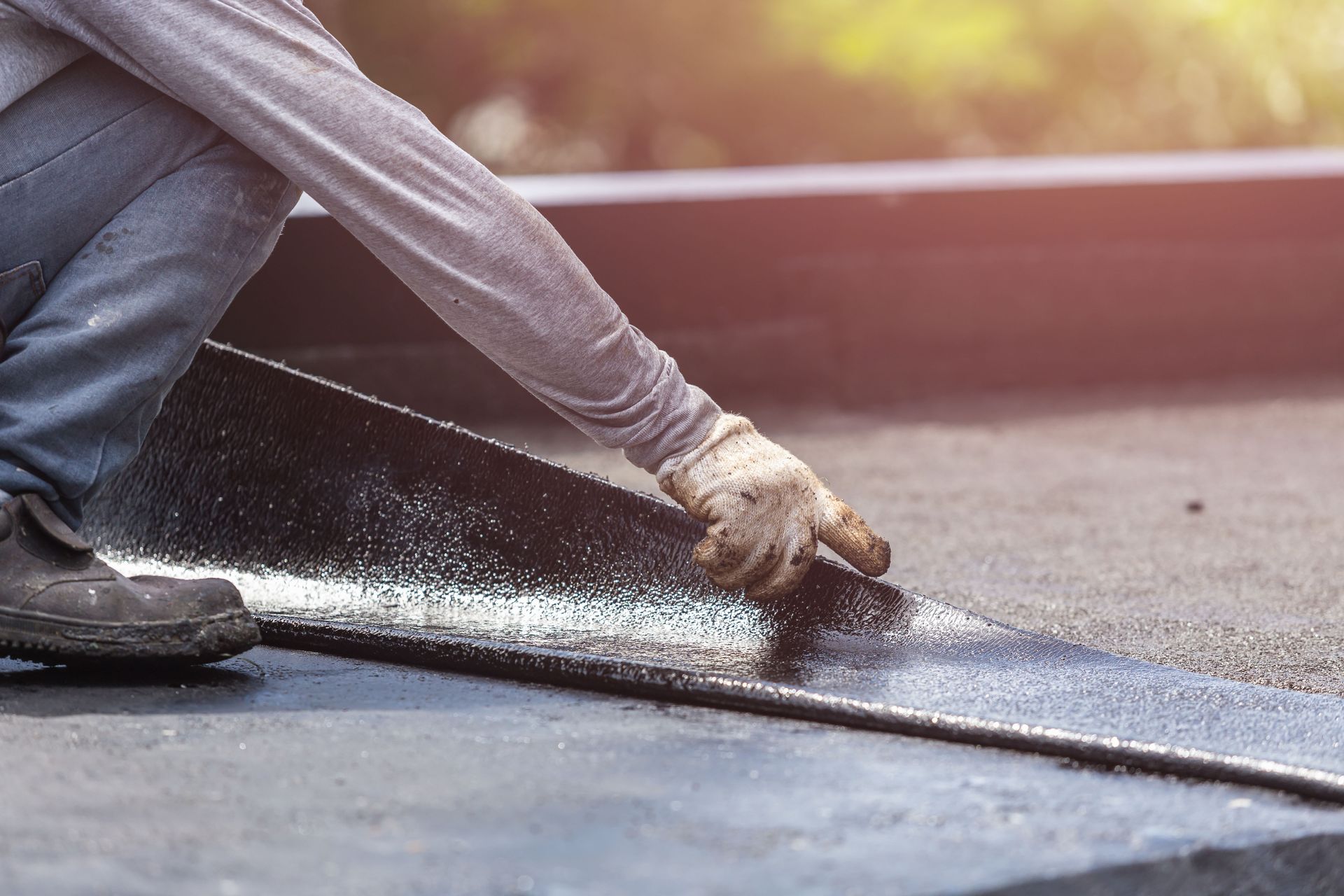
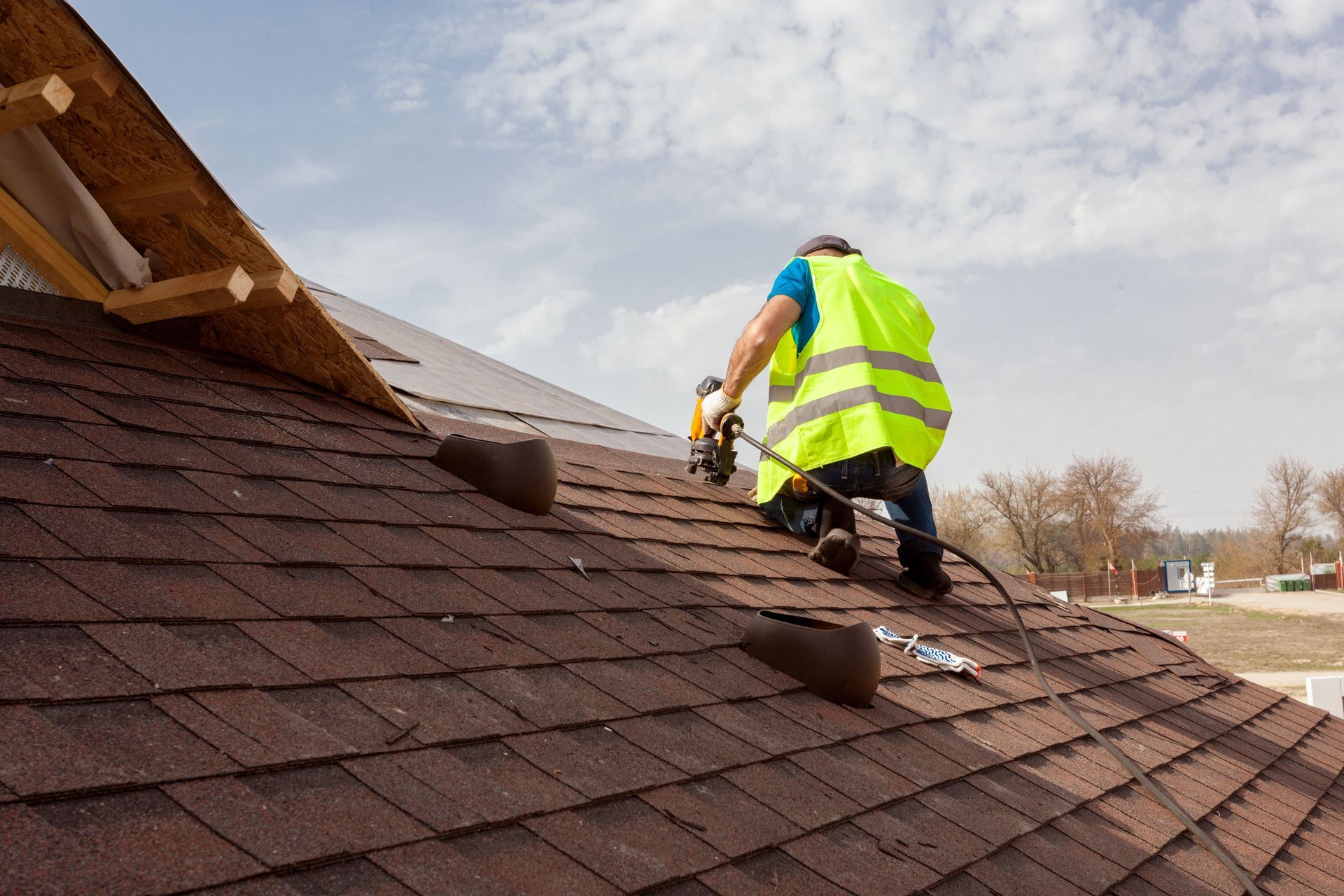
A TPO roof installation requires a high level of expertise and precision. Typically, TPO is installed using mechanical fastening, fully adhered systems, or ballasted systems, depending on the specific requirements and conditions of the project. The choice of installation method can impact the overall performance and lifespan of the roof. Proper training and experience are essential for installers to ensure correct seam welding, flashing, and detailing. This expertise is vital in preventing issues such as water infiltration or premature membrane failure.
Mechanical fastening is one of the most common methods for TPO installation, providing stability and resistance to strong winds. In contrast, fully adhered systems involve bonding the membrane to the substrate with adhesive, creating a seamless surface that enhances aesthetic appeal. Ballasted systems employ the use of stones or pavers to hold the membrane in place, offering an alternative approach that can be advantageous in certain applications. Each installation method has its benefits, which must be weighed based on environmental factors and project goals.
For homeowners considering TPO roofing, selecting a qualified contractor with relevant experience is crucial. The quality of installation can significantly influence the roof's performance and longevity. A well-executed installation not only maximizes the membrane's inherent benefits but also minimizes maintenance needs and potential repairs. By emphasizing professional installation, homeowners can ensure their investment in TPO roofing delivers lasting satisfaction and reliability.
5. Cost and Affordability
TPO is often regarded as an economical choice for a flat roof installation, offering a balance between cost and performance. The material itself is relatively affordable, with costs typically varying based on thickness and manufacturer. While TPO may have higher upfront costs compared to some alternatives, its energy efficiency, low maintenance needs, and durability contribute to overall cost savings over time. Many homeowners find that the investment in TPO pays off in reduced energy bills and prolonged roof lifespan.
Installation costs for TPO can vary significantly, influenced by factors such as roof size, installation complexity, and geographic location. Generally, mechanical fastening and fully adhered systems entail different cost structures, with fully adhered systems often being more expensive due to adhesive requirements. Despite the variations in cost, TPO's affordability remains an attractive feature, drawing homeowners seeking a sustainable and budget-friendly roofing solution. As demand for energy-efficient and durable roofing continues to rise, TPO maintains a competitive position in the market.
TPO stands out as an energy-efficient, durable, and affordable single-ply membrane for residential flat roofs. While its longevity relies heavily on professional installation, the material's excellent heat-reflective properties and structural resilience offer major long-term savings, allowing modern homeowners to make a smart, sustainable, and highly informed roofing investment. For a roof installation, contact our team at West Desert Roofing today.