June 15, 2026
The architectural charm of natural wood roofing remains an enduring choice for homeowners seeking timeless elegance and robust protection. Among the various organic materials available, cedar stands out as a premier selection due to its inherent resistance to decay, exceptional insulating properties, and striking visual evolution over time. When exploring wood options, property owners frequently find themselves deciding between two distinct styles: shakes and shingles. While both alternatives originate from the same durable softwood tree species, their manufacturing methods, structural profiles, and overall aesthetic impacts differ significantly. Navigating these distinctions is essential for selecting a system that aligns with both architectural preferences and functional performance requirements. Partnering with an experienced residential roofing company can provide critical guidance throughout this decision-making process, ensuring that the selected material complements the structural integrity of the home.
Evaluating Visual Appeal and Dimensional Textures
The most immediate variance between these two traditional wood roof styles lies in their surface characteristics and overall dimensions. Shakes are characterized by their rugged, highly textured appearance, which delivers a rustic and historically authentic charm to a structure. This pronounced texture results from a split face that captures shadows and creates a multi-dimensional aesthetic across the roofscape. Property owners who desire a bold, dramatic statement often favor shakes because their substantial thickness projects a sense of rugged permanence and historical craftsmanship.
Conversely, shingles offer a refined, uniform, and tailored appearance that suits a wide variety of architectural designs, from coastal cottages to contemporary residences. Shingles are smooth on both sides, creating clean lines and a flat, orderly surface when installed. This streamlined look accentuates the geometric form of a building without drawing undue attention to individual historical irregularities. A professional residential roofing company can help assess which aesthetic profile best enhances the specific architectural style of a property, ensuring the final selection creates a cohesive and visually pleasing exterior.
Understanding Manufacturing Processes and Thickness Variations
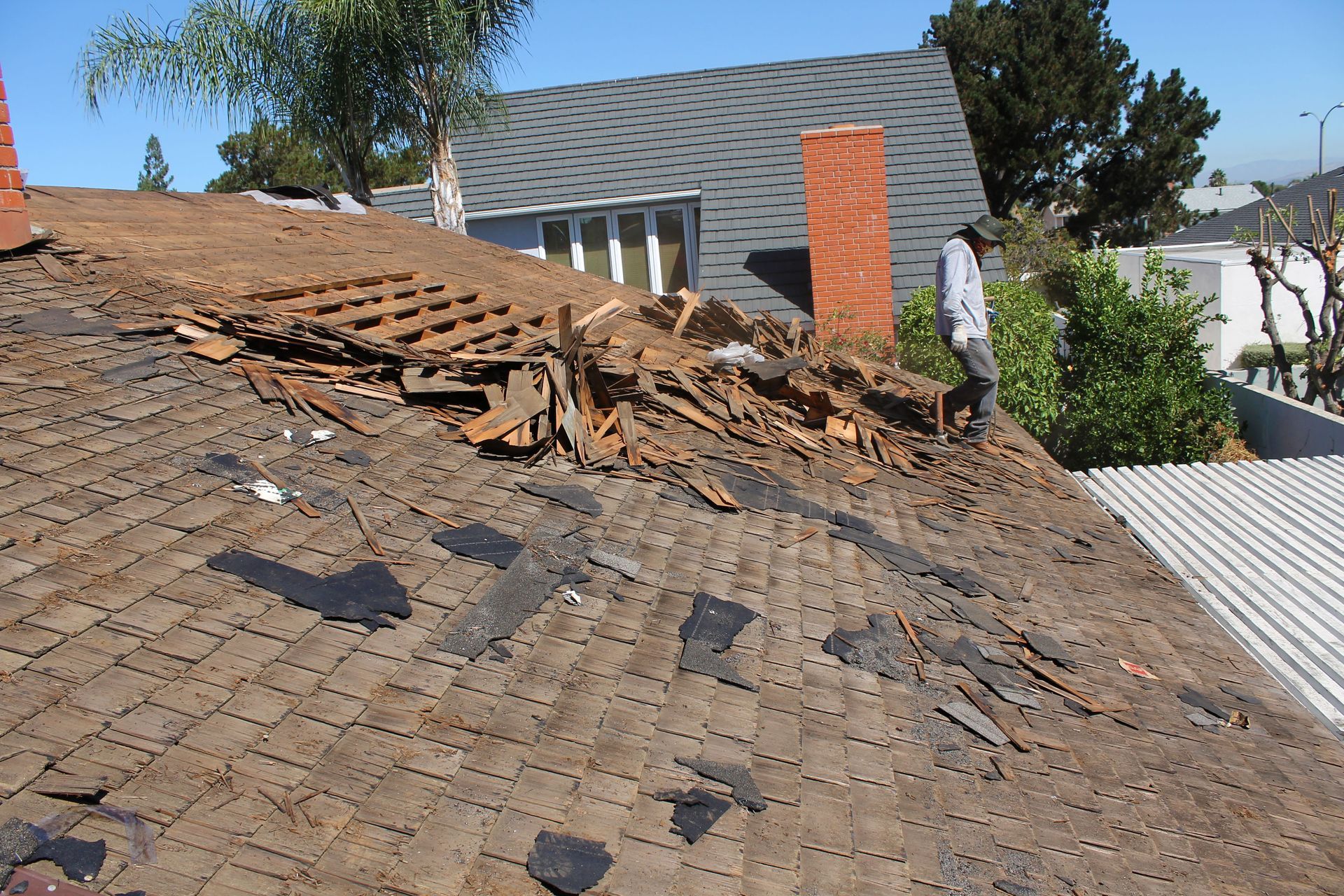
The divergence in appearance stems directly from how each product is manufactured. Historically, craftspeople split shakes by hand from premium wood logs using a specialized tool called a froe and a heavy mallet. Modern production methods have evolved, but the core characteristic remains: shakes are primarily split along the natural grain of the wood, after which the back is often sawn to create a flat surface for installation. This splitting process preserves the natural, irregular ridges and grooves of the wood fibers, leading to significant variations in thickness between individual pieces.
In contrast, shingles are strictly machine-sawn from wood blocks. This mechanical process ensures a highly controlled and uniform product where each piece features a tapered thickness that transitions smoothly from the thin tip to a thicker butt end. Because shingles are sawn on both faces, they lack the deeply grooved texture of their split counterparts. The precise manufacturing of shingles results in a predictable, standardized component, whereas the production of shakes embraces the organic irregularities of the raw timber, providing a heavier and more substantive material profile.
Analyzing Installation Standards and Labor Requirements
The physical differences between these wood products necessitate separate approach mechanisms during the installation process. Due to the uneven surfaces and substantial thickness of shakes, they do not lay completely flat against one another. This creates microscopic gaps where wind-driven rain or accumulating snow could potentially penetrate the system. To mitigate this risk, specialized underlayment strategies are required. Installers must interlace layers of heavy roofing felt between successive courses of shakes, creating an internal shielding system that channels water safely downward.
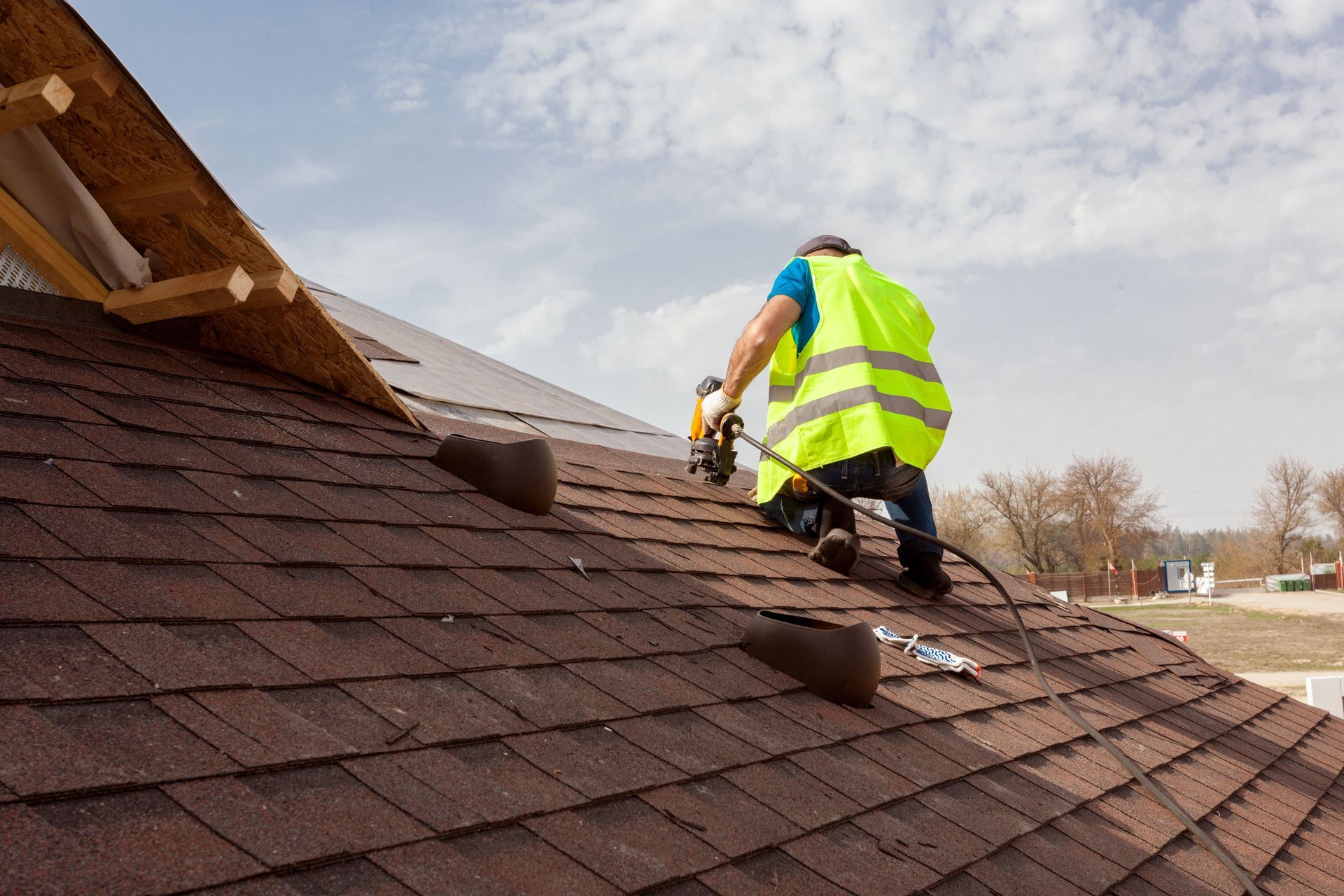
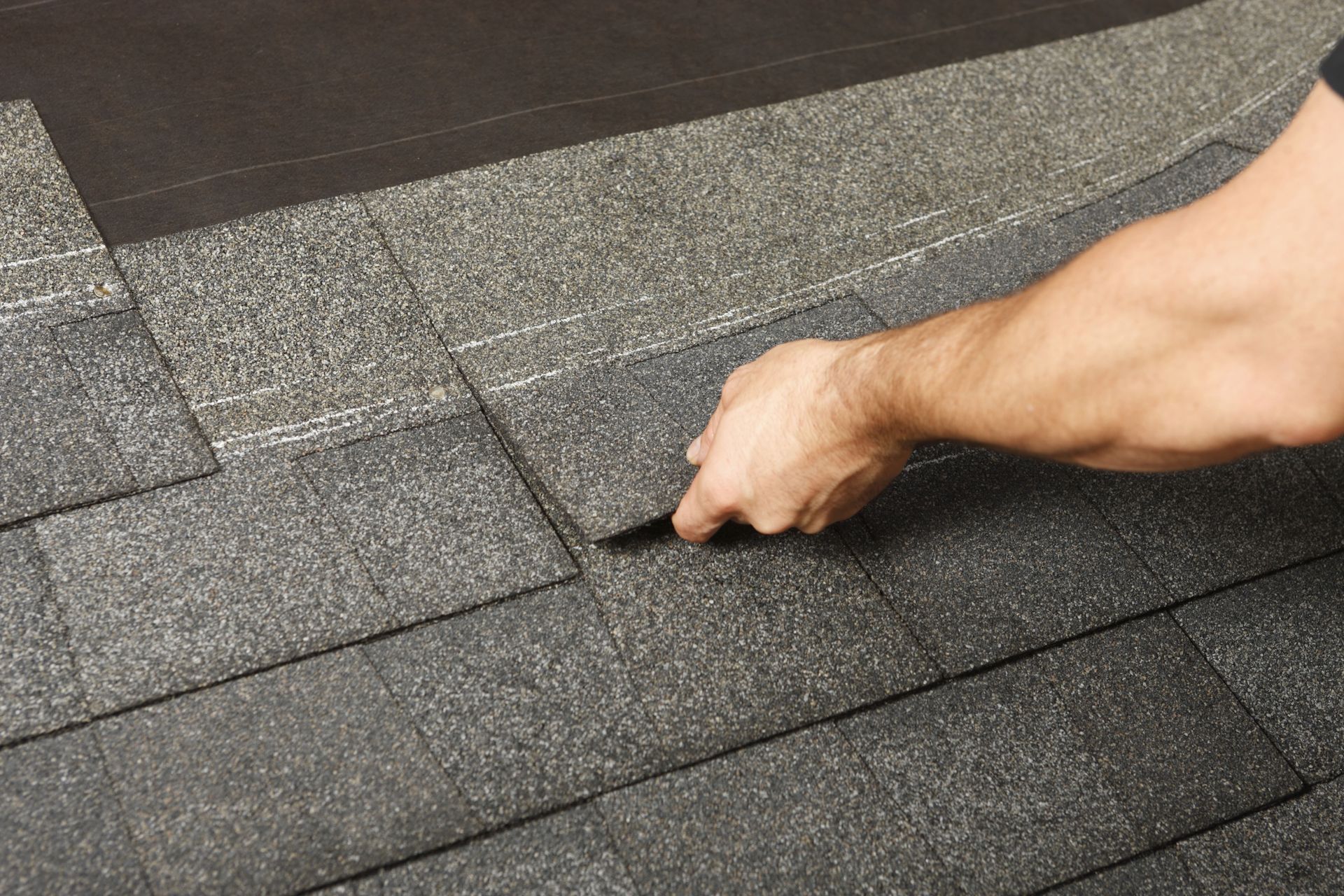
Shingles, because of their smooth faces and precise taper, lay flat against the roof deck and against adjacent courses. This snug fit creates a natural barrier against weather infiltration, eliminating the need for interlaced felt layers between individual courses, though standard high-quality underlayment is still applied directly to the deck. The straightforward alignment of shingles often allows for a faster installation process, whereas the irregular nature of shakes demands meticulous attention to detail and extensive labor. Engaging a qualified residential roofing company ensures that these specialized installation protocols are executed flawlessly, protecting the long-term integrity of the structure.
Assessing Long-Term Durability and Material Lifespan
When considering longevity, the structural mass of the material plays a pivotal role. Shakes are inherently thicker than shingles, which generally translates into a greater capacity to withstand harsh environmental conditions, such as high winds, heavy impact from falling debris, and intense solar radiation. The natural splitting process also follows the grain of the wood, which can preserve the structural integrity of the cellular fibers better than sawing, potentially reducing the rate of water absorption and subsequent warping.
Shingles, being thinner and sawn across the grain, may be more susceptible to curling or splitting over decades of exposure to cycling wet and dry conditions. However, high-grade shingles treated with protective preservatives can deliver outstanding service lifespans that rival heavier materials. Environmental factors, including regional climate patterns, shade coverage, and local moisture levels, heavily influence the degradation rate of both systems. Consulting a knowledgeable residential roofing company allows homeowners to evaluate regional climate challenges and select the material thickness that offers the most resilient defense for their specific geographic area.
Managing Ongoing Maintenance and Preservation Methods
All organic wood roofs demand consistent care to prevent the accumulation of organic debris, moss, and algae, which can trap moisture and accelerate decay. The deeply grooved surface of a shake roof provides numerous crevices where leaves, pine needles, and airborne spores can easily lodge. Consequently, these roofs require diligent clearing and periodic washing to keep the waterways unobstructed. The heavier mass also means that individual cracked or damaged shakes can be more challenging to remove and replace without disturbing the surrounding layers.
Shingles present a smoother surface that sheds debris more readily, making general sweeping and washing somewhat less cumbersome. Nonetheless, because they are thinner, addressing any fungal growth early is vital, as moss can degrade a thin shingle faster than a thick shake. Regular professional evaluations can identify compromised pieces before widespread issues develop. A trusted residential roofing company can recommend appropriate biocide treatments and preservation strategies tailored to the specific wood profile, ensuring that neither style succumbs prematurely to preventable environmental hazards.
Comparing Project Expenses and Budget Considerations
According to Excellentroofs.com, the cedar roof replacement cost typically ranges from $15,000 to $30,000 for a standard-sized home. Investing in a natural wood system involves weighing material acquisition costs against specialized labor expenses. Because shakes require more raw wood material per square piece and involve complex splitting processes, their initial material cost is universally higher than that of sawn shingles. Furthermore, the meticulous installation process, involving the manual interleaving of felt layers, increases labor time and total project costs. Homeowners must view this as a long-term premium investment that enhances property value and architectural distinction.
Shingles generally position themselves toward the more accessible end of this spectrum due to faster installation times and lower material volume requirements, while heavy hand-split shakes occupy the upper tiers. Budgeting accurately requires analyzing these upfront outlays alongside anticipated maintenance frequencies and expected longevity. A transparent residential roofing company will provide detailed breakdowns of these variables to assist homeowners in identifying the most financially prudent choice for their circumstances.
Navigating these subtle structural nuances and specialized installation criteria requires professional expertise to guarantee a successful, leak-free outcome that lasts for generations. At West Desert Roofing, we are dedicated to helping you select and install the perfect wooden asset tailored precisely to your property's needs. Contact us today to explore our premium material options and secure an exquisite, enduring shield for your home.