August 20, 2026
In the world of roofing, understanding the factors that influence the lifespan of a clay tile roof is paramount. Residential roofers have underscored the importance of the hidden layers beneath these tiles, which significantly impact their durability. Clay tiles have been a preferred choice for not just their aesthetic appeal but their ability to withstand various environmental conditions. However, what's beneath these visually striking shingles plays a crucial role in determining their longevity. Through this article, we dive into the layers of detail that ensure a clay tile roof not only lasts but continues to protect homes effectively.
Many homeowners are drawn to the elegance and historical charm of clay tiles, unaware of the intricate systems required to maintain their functionality. Experienced roofers reveal that the longevity of these tiles is heavily dependent on proper installation techniques and supporting materials. Factors such as underlayment quality, material composition, and climate adaptation are pivotal in enhancing the lifespan of clay tiles. By examining the unseen yet critical components of a clay tile roof, homeowners can make informed decisions to maximize their roofs' lifespan. This article unearths the mysteries lying beneath the surface, addressing the elements that determine long-term performance and durability.
The captivating appearance of clay tiles has long made them a popular choice, but maintenance and design considerations are equally essential. While the outer layer draws attention, the hidden layers beneath guard against the elements, providing the real defense. Residential applications account for over 63% of the clay roof tiles market demand, emphasizing the need for residential roofers to focus on layers and their installation quality. Knowledge in these areas extends beyond aesthetics, merging science with tradition to ensure clay tile roofs protect homes for decades. Through insight and understanding, the article provides homeowners with the tools to make impactful decisions for their roofing projects.
The Role of Underlayment in Roof Longevity
Definition and Purpose of Underlayment
Underlayment serves as a critical barrier between the roofing tiles and the roof deck, offering additional protection from the elements. It is essentially a layer of waterproof or water-resistant material installed over the roof deck before the installation of the tiles. This layer is crucial in preventing leaks, providing a second line of defense against moisture infiltration. In severe weather conditions, when tiles may be damaged or displaced, the underlayment ensures that the roofing system remains protective. By properly understanding this layer, installers and homeowners can work towards prolonging the lifespan of their roofing system.
Residential roofers emphasize the importance of selecting quality underlayment to enhance the durability of clay tile roofs. The type of underlayment should be chosen based on climate conditions and roofing needs. A quality underlayment acts as a safeguard, offering protection against water and vapor infiltration. In regions prone to heavy rain or high humidity, selecting an underlayment with superior moisture resistance is vital. Understanding the unique properties and benefits of various underlayment materials helps in making the right choice for each specific roof installation.
Clay tile roofs, while robust, have a vulnerability in how they interact with other roofing components. Properly installed underlayment bridges the gap between these components, ensuring the structural integrity of the roofing system. It not only supports the weight of the tiles but also allows for thermal movement and stress, reducing the risk of tile cracking and breakage. Understanding and investing in the right underlayment can significantly extend the lifespan of a clay tile roof. This hidden layer, though not visible, plays an indispensable role in the overall performance of the roofing system.
Types of Underlayment Used in Clay Tile Roofing
There are several types of underlayment materials used in clay tile roofing, each with unique characteristics and benefits. The most common types include asphalt-saturated felt, synthetic underlayment, and rubberized asphalt. Asphalt-saturated felt is traditionally used and remains a popular choice due to its affordability and ease of installation. However, it may not provide the durability or waterproofing capabilities of newer materials. Synthetic underlayment, made from polypropylene or polyester, offers increased strength and resistance to tears, making it an excellent choice for enhanced protection.
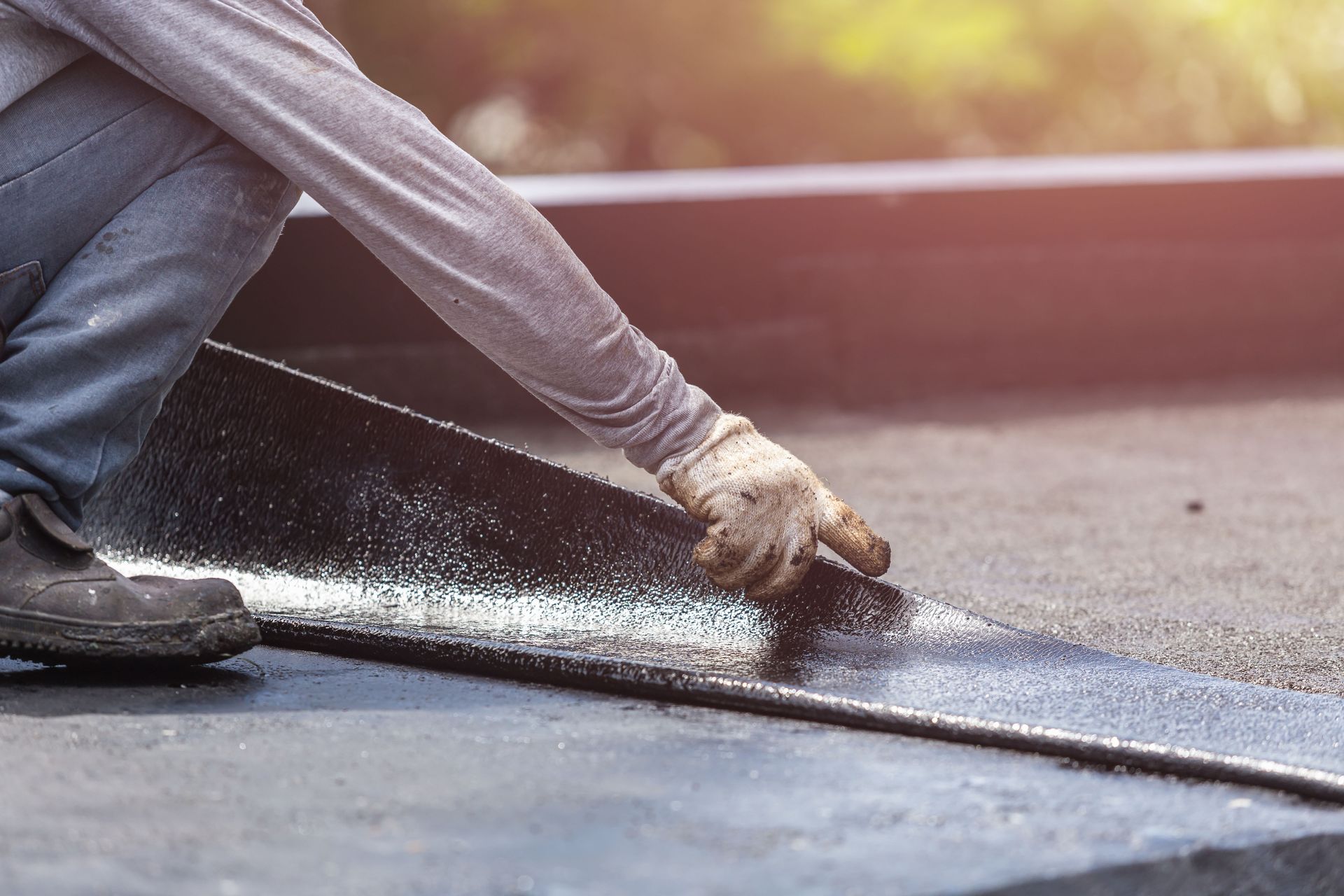
Rubberized asphalt underlayment provides superior waterproofing through its self-adhesive properties. This type of underlayment is ideal for areas with high rainfalls or where ice damming is a significant concern. They adhere to the roof deck, creating an impermeable seal that prevents water ingress even if the tiles are damaged. While more expensive, rubberized asphalt underlayment is frequently recommended by experts for the additional security it provides. Each type of underlayment has its own set of advantages, making it imperative for homeowners to consult with professional roofers to determine the best choice for their specific roofing needs.
The selection of underlayment involves weighing factors like climate conditions, budget, and the specific demands of the roofing structure. Clay tiles require a sturdy and reliable base to maintain their integrity and function effectively. As roofers know the crucial role of underlayment, they meticulously choose the type that complements the tiles' properties and withstands regional weather patterns. In residential applications, where clay tile roofs are prevalent, choosing the right underlayment is a decision that bears long-term consequences. By investing in high-quality underlayment, the longevity and efficiency of a clay tile roof are greatly enhanced, ensuring continued protection for the home's interior.
Installation Best Practices
Proper installation of underlayment is critical in ensuring the longevity and effectiveness of a clay tile roof. Best practices begin with preparing the roof deck to ensure a smooth and clean surface, free from debris or imperfections. This preparation prevents the underlayment from developing weaknesses over time. Professionals emphasize overlapping the underlayment sheets adequately to create a continuous barrier free of potential moisture entry points. Paying particular attention to areas like valleys and roof penetrations is essential, as these are common spots for leaks to develop.
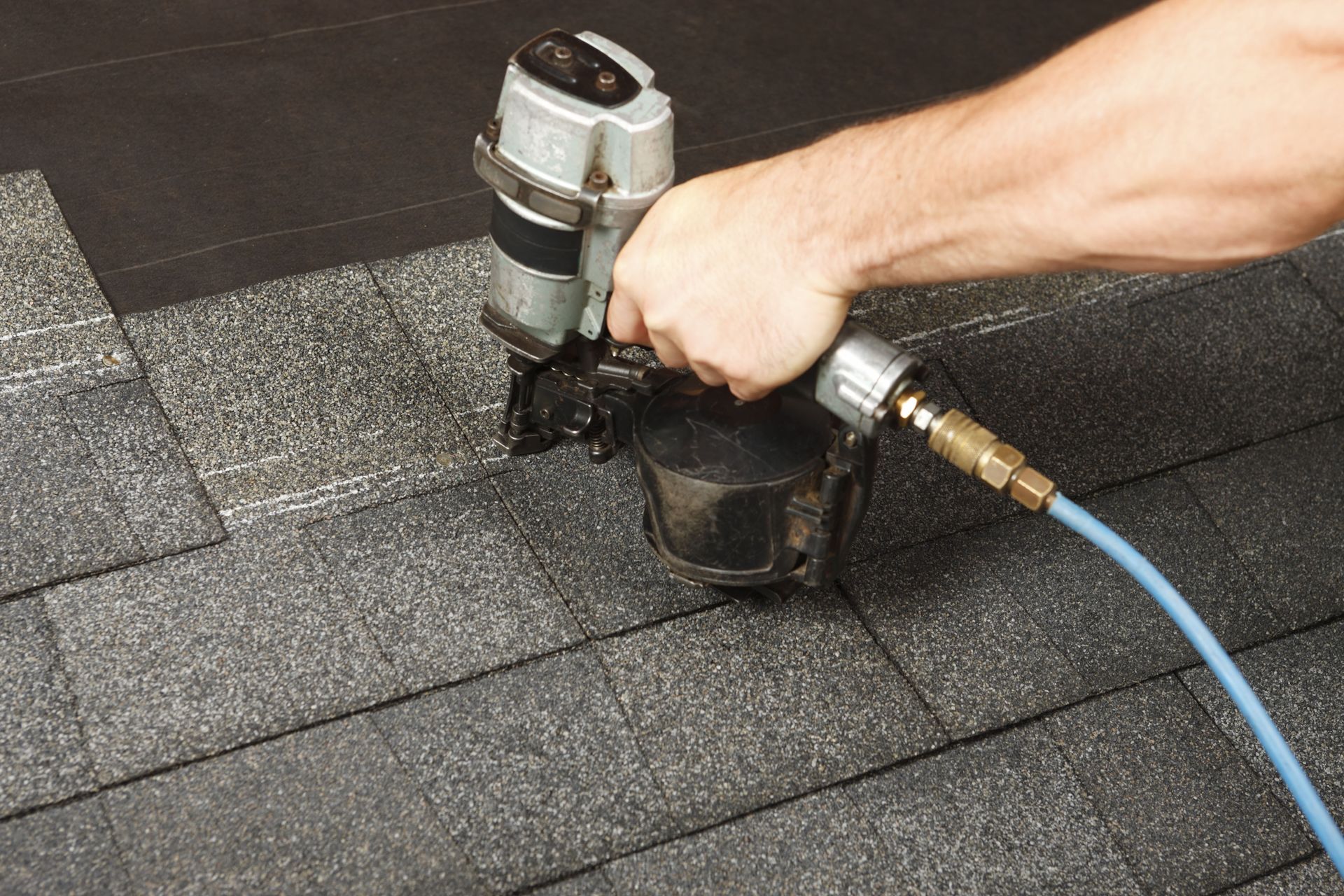
In areas prone to ice damming or significant snow accumulation, additional measures like using ice and water shield underlayment are recommended. These materials provide extra protection by adhering directly to the roof deck, even in freezing conditions. Proper fastening is another critical aspect; roofers ensure that nails or staples are used sparingly and strategically to avoid compromising the integrity of the underlayment. Best practices involve not only technology and material selection but also the craftsmanship employed during the installation process.
Investment in installation best practices pays off in the form of long-lasting roof performance and reduced repair needs in the future. As a significant percentage of the clay roof tiles market demand comes from residential applications, the adoption of installation practices is crucial in these settings. By following these practices, homeowners ensure that both aesthetic and functional roof requirements are met. Proper installation techniques lead to reduced potential for water damage, increased protection against extreme weather, and an extended service life of the roofing system. Roofers advocate diligently following these practices to realize the full potential and longevity of the clay tile roof.
Mistakes during the installation of underlayment can drastically affect the lifespan of a clay tile roof. One common mistake is the inadequate preparation of the roof deck, which can lead to uneven surfaces and stress points that compromise the overall structure. This can further lead to reduced underlayment adhesion and effectiveness. Another frequent issue is the insufficient overlap of underlayment sheets, leaving gaps that are vulnerable to water intrusion. Ensuring proper overlap is a basic yet often overlooked necessity in sealing the roof from potential leaks. According to Market Reports, over 63% of the clay roof tiles market demand is attributed to residential applications, while 37% comes from commercial construction. Be sure to reach out to West Desert Roofing today to learn more about our professional residential roofers!